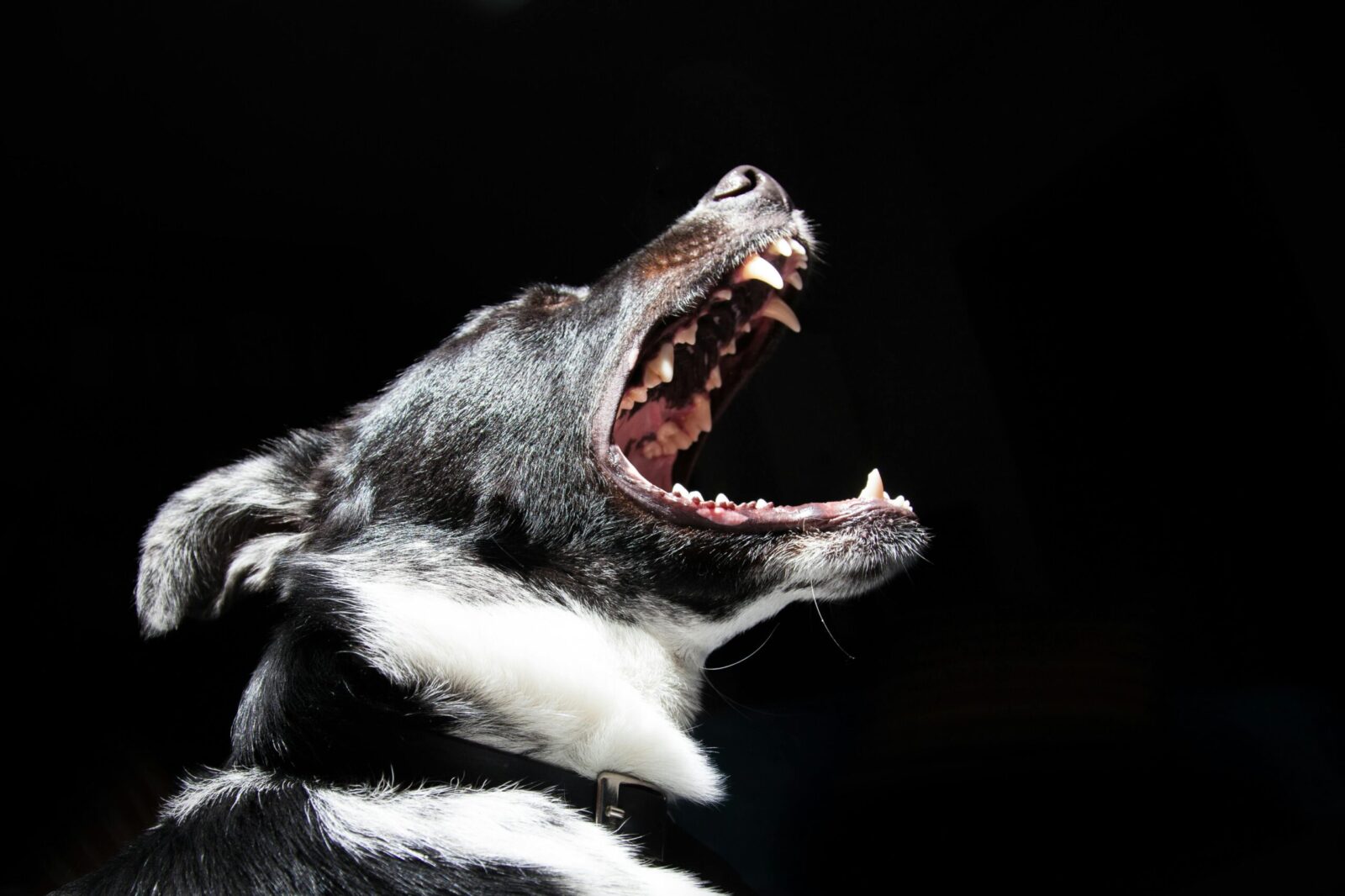
Aggressive behavior in dogs—growling, snapping, lunging, biting, or stiffening—can stem from fear, resource guarding, pain, frustration, territorial instincts, or past experiences. It’s rarely “dominance” (a debunked myth from outdated methods like Cesar Millan’s alpha rolls or punishments, which often worsen fear-based aggression).
In 2026, veterinary and behavior experts (from ASPCA, VCA Hospitals, Whole Dog Journal, Best Friends Animal Society, and certified applied animal behaviorists) unanimously stress: Aggression is serious and potentially dangerous. Do not attempt to “fix” it alone with force, yelling, or dominance tactics—these can escalate risks and cause bites.
The safest, most effective approach combines professional guidance with management, positive reinforcement, and behavior modification like desensitization/counterconditioning (DS/CC). Home efforts focus on prevention and basics—never push your dog into triggers.
Step 1: Prioritize Safety & Professional Help (Non-Negotiable)
- See a vet first — Rule out medical causes (pain, thyroid issues, neurological problems, or even diet). Aggression can worsen with untreated pain.
- Consult a professional — Work with a certified veterinary behaviorist (DACVB), Certified Applied Animal Behaviorist (CAAB/ACAAB), or force-free trainer experienced in aggression (find via IAABC, AVSAB, or your vet). Avoid “balanced” trainers using aversives.
- Why pros matter — They assess type (fear vs. territorial), create a custom plan, and coach you safely. DIY risks injury or reinforcing fear.
Step 2: Immediate Management to Prevent Incidents
Management stops aggression from practicing or escalating—it’s the foundation before modification.
- Identify triggers — Log every incident: What/who/when/where? (e.g., strangers at door, food bowl, other dogs on walks). Note early signs: lip licking, yawning, whale eye, stiff tail, growling.
- Avoid triggers — Prevent exposure (e.g., crate or separate room for visitors; walk at quiet times; block windows for fence aggression).
- Use safety tools:
- Basket muzzle (train positively so dog associates it with treats—allows panting/drinking).
- Leash/head halter for control.
- Baby gates, crates, or secure confinement.
- Create a safe space — Quiet crate/room where dog retreats without pressure.
Step 3: Build Positive Foundations at Home
Focus on calm, trust-building skills away from triggers.
- Teach basic obedience — “Sit,” “stay,” “leave it,” “settle” using high-value treats (chicken, cheese). Reward calm behavior lavishly.
- Practice “settle” on leash — In low-distraction areas, reward lying calmly. Builds relaxation.
- Positive reinforcement only — Reward good choices; ignore or redirect unwanted (no punishment—avoids fallout aggression).
- Exercise & enrichment — Daily walks, puzzle toys, mental games reduce frustration/energy that fuels reactivity.
- Muzzle train — If needed, pair basket muzzle with treats for comfort.
Step 4: Behavior Modification (With Pro Guidance)
Once basics are solid and safety is in place, pros guide gradual exposure:
- Desensitization — Expose to trigger at distance/intensity where dog stays calm (below threshold—no reaction).
- Counterconditioning — Pair trigger with positives (treats/toys) to change emotional response (e.g., stranger approaches → jackpot treats).
- Start small — For dog-dog aggression: Controlled distance from calm dogs, reward focus on you.
- Progress slowly — Sessions short (5–10 min); back up if reaction occurs.
Common Aggression Types & Home Tips
| Type of Aggression | Common Triggers | Home Management Tips | Modification Focus (Pro-Guided) |
|---|---|---|---|
| Fear/Reactive | Strangers, other dogs, noises | Increase distance; muzzle for safety; reward calm focus | DS/CC to build positive associations |
| Resource Guarding | Food, toys, bed | Trade items (give treat, take item); no reaching | Teach “leave it/drop it”; trade-ups |
| Territorial | Door/yard intruders | Block views; crate during visitors | Reward calm greetings; boundary training |
| Pain-Related | Handling, vet visits | Vet check + pain management | Gentle desensitization to touch |
| Dog-Dog | On-leash walks, home conflicts | Parallel walks at distance; separate resources | Controlled introductions; focus games |
Myths to Avoid in 2026
- Myth: “Be the alpha/dominant” — Alpha rolls, scruff shakes, or punishments increase fear/aggression.
- Myth: “It’s just the breed” — Any dog can show aggression; behavior is modifiable with right approach.
- Myth: “Punish to stop it” — Suppresses signs temporarily but worsens root cause.
Realistic Expectations
Improvement takes months to years with consistency. Some dogs manage well long-term but never fully “cured.” If risk is high (history of bites, young children/elderly in home), rehoming or euthanasia may be ethical options—discuss openly with pros.
The bottom line from vets and behaviorists in 2026: Aggression is treatable with patience, science-based methods, and expert help. Start with a vet visit and behavior consult today—many offer virtual sessions. Early intervention saves lives (human and canine). Your dog’s safety and your peace of mind are worth the effort! If aggression involves bites, prioritize immediate professional support.