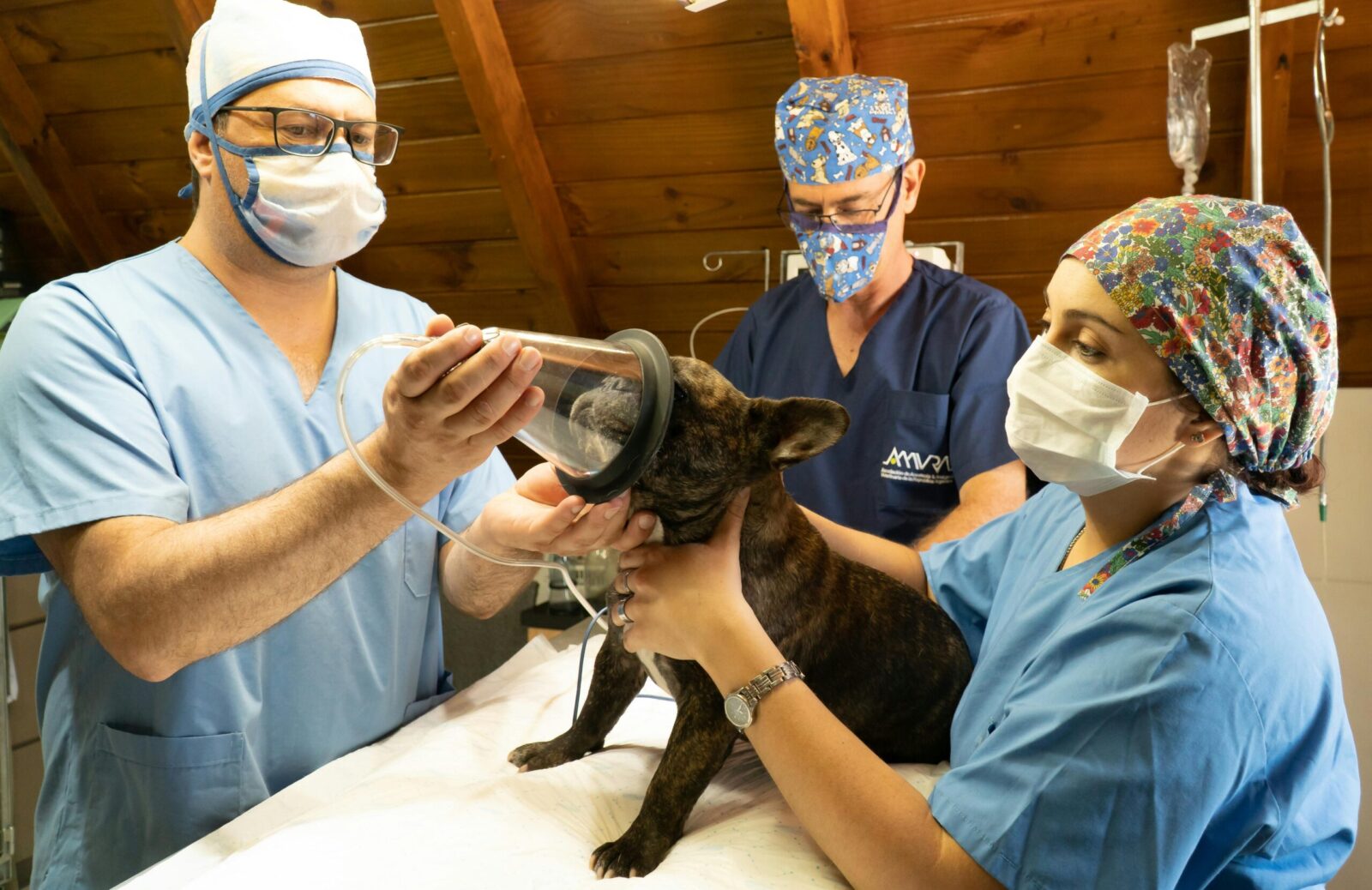
Pet surgery costs in the USA can be surprisingly high without insurance, often ranging from hundreds to tens of thousands of dollars. Veterinary care inflation, advanced diagnostics (like X-rays, ultrasounds, or bloodwork), anesthesia, hospitalization, medications, and follow-up care drive these expenses. In 2026, averages reflect rising costs due to supply chain issues, specialist fees, and regional variations (higher in urban/coastal areas like California or New York, lower in rural Midwest states).
Emergency or major surgeries are the biggest hits—think $2,000–$10,000+—while routine procedures like spay/neuter or dental cleanings are more affordable. Costs vary by pet size/breed (larger dogs cost more), location, vet type (general vs. specialist/emergency clinic), and complexity (e.g., complications add thousands).
Always get a detailed estimate from your vet beforehand—many offer payment plans, CareCredit financing, or low-cost clinic referrals. Pet insurance (if enrolled before issues arise) can reimburse 70–90% after deductibles, making it a smart hedge against these bills.
Key Factors Influencing Pet Surgery Costs in 2026
- Location — Urban areas or high-cost states add 20–50%+.
- Pet Type/Size — Dogs (especially large breeds) cost more than cats.
- Procedure Type — Orthopedic or emergency surgeries top the list.
- Add-Ons — Pre-op bloodwork ($100–$300), X-rays ($75–$400), anesthesia, overnight stays ($500–$2,000+), pain meds, and follow-ups.
- Emergency vs. Elective — After-hours or ER clinics charge premiums (e.g., $150–$400 just for exam).
Average Costs for Common Pet Surgeries (Without Insurance, 2026 Estimates)
These are national averages compiled from sources like CareCredit, Pawlicy Advisor, PetMD, Lemonade, and vet claims data (2025–2026). Ranges account for variations; actual quotes can differ.
| Procedure | Dogs (Average Range) | Cats (Average Range) | Notes & What’s Typically Included |
|---|---|---|---|
| Spay/Neuter (Routine) | $250–$600 (spay higher) | $150–$500 | Includes anesthesia, basic monitoring; shelters often lower/cheaper. |
| Dental Cleaning + Extractions | $400–$1,500+ (with extractions) | $500–$1,200+ (extractions add $50–$140/tooth) | Anesthesia, X-rays, scaling; severe cases (multiple extractions) push higher. |
| CCL/ACL Tear Repair (e.g., TPLO) | $3,000–$7,000 (up to $10,000) | Rare in cats | Orthopedic surgery; includes hardware, rehab; traditional methods cheaper ($1,500–$3,000). |
| Foreign Body Removal (GI Obstruction) | $3,000–$7,000+ | $2,000–$5,000 | Emergency surgery + hospitalization; varies by object/location. |
| Bloat (GDV – Gastric Dilation-Volvulus) | $2,000–$11,000+ | N/A | Life-threatening emergency; includes surgery, ICU care. |
| Bladder Stones (Cystotomy) | $1,500–$3,500 | $1,000–$3,000 | Surgical removal + recovery. |
| Tumor/Lump Removal | $300–$1,600+ (biopsy extra) | $300–$1,600+ | Depends on size/location; cancer cases higher. |
| Cherry Eye Correction | $500–$2,500 | Less common | Eyelid surgery. |
| Broken Bone/Fracture Repair | $1,500–$5,000+ | $1,000–$4,000 | Pins/plates; emergency adds cost. |
| C-section (Emergency) | $1,000–$3,000+ | $800–$2,500 | Includes puppies/kittens care. |
| General Emergency Surgery | $2,000–$10,000+ | $1,500–$7,000+ | Hit-by-car, internal bleeding, etc.; often includes diagnostics/hospitalization. |
*These are out-of-pocket estimates before any financing. Emergency visits alone start at $150–$400 for exam/fees, with full treatment pushing into thousands.
Why Costs Are High & Rising in 2026
Vet bills have increased due to:
- Specialized equipment and 24/7 ER availability.
- Inflation on meds/supplies.
- More advanced treatments (e.g., TPLO vs. older methods).
- Regional differences—e.g., California averages higher for ACL ($4,000+).
Tips to Manage or Reduce Surgery Costs
- Get multiple quotes — Compare general vets vs. specialists.
- Low-cost clinics — For routine spay/neuter/dental (e.g., ASPCA, local shelters).
- Financing options — CareCredit, Scratchpay, or vet payment plans.
- Preventive care — Regular checkups catch issues early (cheaper than emergencies).
- Pet insurance — Enroll young/healthy; covers future surgeries (reimburses after deductible).
- Pet funds/charities — Organizations like The Pet Fund or Frankie’s Friends help with qualifying cases.
Unexpected pet surgery without insurance can be financially devastating—many owners face tough decisions. Planning ahead with savings, insurance, or preventive habits makes a huge difference. If your pet needs surgery, discuss options openly with your vet—they often work with budgets. Your furry friend’s health is priceless, but smart preparation keeps costs manageable in 2026!