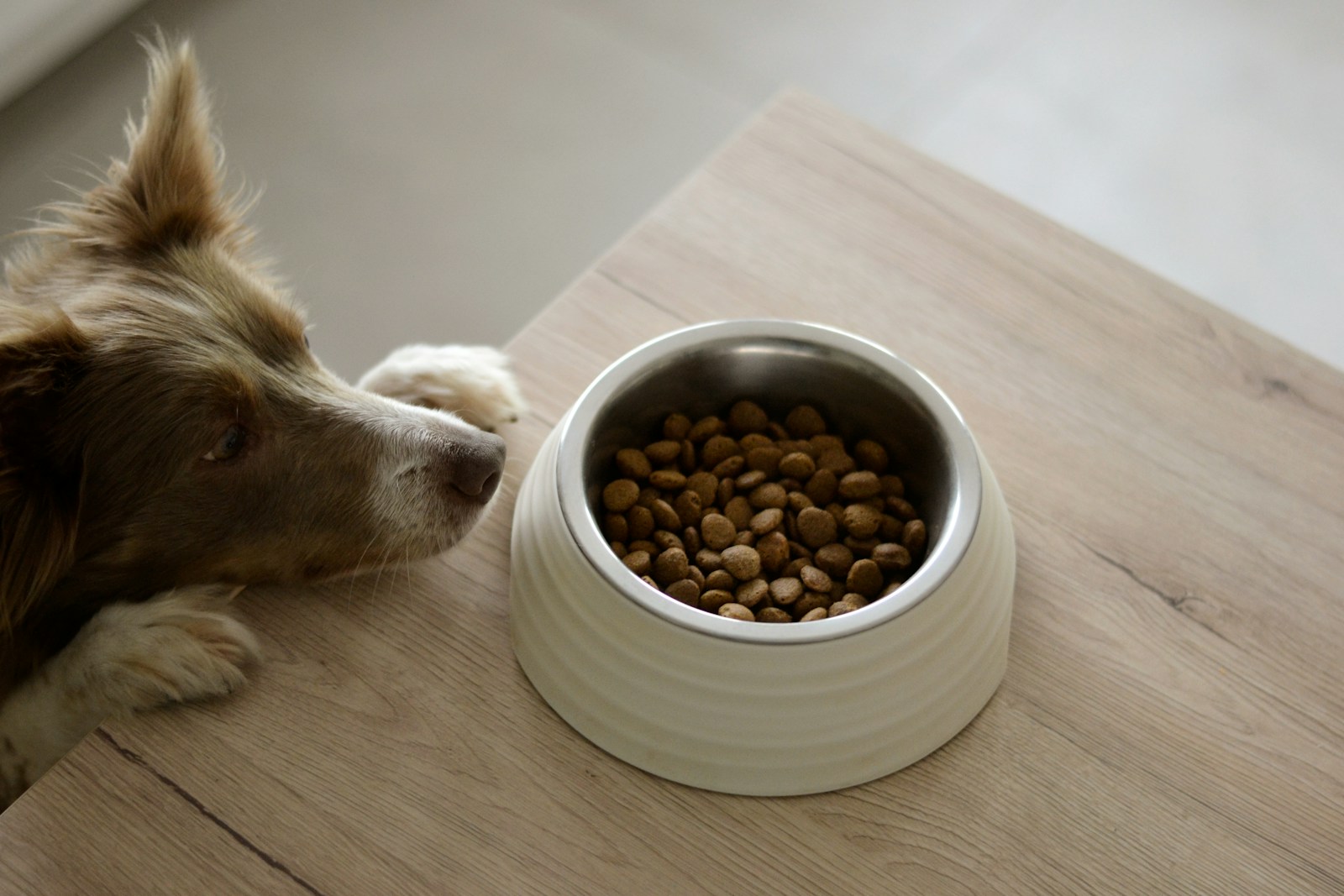
Food allergies in dogs are common and often manifest as itchy skin, chronic ear infections, hot spots, gastrointestinal issues like vomiting or diarrhea, or paw licking. True food allergies (adverse food reactions) affect proteins most often—chicken, beef, dairy, wheat, or soy—rather than grains alone.
In 2026, veterinarians emphasise strict elimination diet trials (8–12 weeks) to diagnose allergies, followed by long-term management. Vets prioritise veterinary therapeutic diets over over-the-counter (OTC) options for reliability, as they undergo rigorous testing, avoid cross-contamination, and are formulated by board-certified veterinary nutritionists.
Two main approaches:
- Hydrolyzed protein diets — Proteins broken into tiny peptides/amino acids so the immune system doesn’t recognize them as allergens. Ideal for severe cases or unknown histories.
- Novel (limited-ingredient) protein diets — Use uncommon proteins (e.g., duck, venison, salmon) the dog hasn’t eaten before, with minimal other ingredients.
Grain-inclusive options are fine unless a specific grain allergy is confirmed (rare). Always consult your vet first—self-diagnosing can miss underlying issues like environmental allergies or parasites.
Key Vet-Recommended Brands and Formulas in 2026
Veterinary sources (e.g., PetMD, The Spruce Pets, Forbes, and clinic guides) highlight these top picks for proven efficacy, AAFCO compliance, and feeding trial backing.
| Brand / Formula | Type | Best For | Key Features | Prescription Required? | Notes from Vets (2026) |
|---|---|---|---|---|---|
| Royal Canin Veterinary Diet Ultamino | Hydrolyzed Protein | Severe food allergies, diagnosis trials | Ultra-hydrolyzed soy protein; omega-3s for skin; highly digestible | Yes | Often tops lists for confirmed allergies; excellent for elimination trials. |
| Hill’s Prescription Diet z/d | Hydrolyzed Protein | Food & skin sensitivities | Hydrolyzed chicken liver; antioxidants; supports skin barrier | Yes | Best overall in many reviews; consistent results for itchy skin & GI issues. |
| Purina Pro Plan Veterinary Diets HA Hydrolyzed | Hydrolyzed Protein | Hydrolyzed needs, digestion focus | Single hydrolyzed protein source; balanced for long-term use | Yes | Strong for multi-issue dogs; good palatability. |
| Purina Pro Plan Sensitive Skin & Stomach Salmon & Rice | Limited Ingredient / Sensitive | Mild-moderate sensitivities, skin/coat support | Salmon as novel-ish protein; prebiotics; omega fatty acids | No | Vet panel favorite for non-prescription; great starter for skin issues. |
| Royal Canin Veterinary Diet Hydrolyzed Protein or Sensitive Skin Care | Hydrolyzed / Limited | Breed-specific or skin care | Tailored options (e.g., small breed); fiber blend for gut health | Yes (some) | Versatile; more specialized formulas available. |
| Hill’s Prescription Diet d/d | Novel Protein | Novel protein trials | Duck, salmon, or venison; limited carbs | Yes | Effective alternative to hydrolyzed if palatability is an issue. |
| Merrick Limited Ingredient Diet (e.g., Salmon & Sweet Potato) | Limited Ingredient | Grain-free sensitivities, budget-friendly | Single protein (salmon); no common allergens | No | Vet-recommended OTC for mild cases; avoids poultry triggers. |
| JustFoodForDogs Sensitive Skin & Stomach | Fresh / Veterinary-Backed | Fresh food preferences, sensitivities | Gently cooked; vet-developed; limited ingredients | No (some vet input) | Rising for dogs needing fresh; good for GI & dermatologic concerns. |
*Prices vary; prescription foods often $50–$100+ per bag/can case. Get vet quotes or use services like Chewy for autoship discounts.
Detailed Vet Insights on Top Choices
- Royal Canin Ultamino (Top for Severe Allergies)
Frequently ranked #1 by vet panels for true food allergies. Its extreme hydrolysis minimizes reactions, even in dogs allergic to the parent protein. Great for long-term management after diagnosis. - Hill’s Prescription Diet z/d or d/d (Best Overall Balance)
Developed with vets and nutritionists; combines hydrolyzed or novel proteins with skin-support nutrients (e.g., omega-3s from fish oil). Highly consistent production reduces cross-contamination risks. - Purina Pro Plan Sensitive Skin & Stomach (Best Non-Prescription)
Salmon-based with rice; supports coat health and digestion. Vets often recommend as a first step before prescriptions, especially for environmental + mild food sensitivities. - Merrick Limited Ingredient (Affordable OTC Option)
Grain-free with novel proteins like salmon; free of common triggers (soy, corn, wheat, dairy). Vets note it’s suitable for sensitivities but less ideal for strict elimination trials.
Other notables: Blue Buffalo Natural Veterinary Diet (novel proteins like alligator for rare cases) or fresh options like JustFoodForDogs for picky eaters or those preferring human-grade ingredients.
How to Choose & Manage in 2026
- Start with diagnosis — No treats, table scraps, or flavored meds during trials. Feed only the test diet for 8–12 weeks.
- For severe/confirmed allergies — Hydrolyzed (e.g., Ultamino, z/d) often preferred over novel for reliability.
- For mild skin issues — Non-prescription limited-ingredient or sensitive formulas work well.
- Add-ons — Omega-3 supplements (fish oil) boost skin health; your vet may recommend.
- Monitor & follow up — Track symptoms; re-challenge with old food if improvement occurs to confirm allergy.
- Avoid — Homemade without vet nutritionist input (risk of imbalances); vague “hypoallergenic” OTC claims without trials.
The bottom line from vets in 2026: Food allergies are manageable with the right diet—often prescription hydrolyzed or novel protein formulas from trusted brands like Royal Canin, Hill’s, or Purina Pro Plan Veterinary Diets. Schedule a vet visit for tailored advice, possible allergy testing, or a prescription. Your dog’s comfort and health are worth it—relief from itching and discomfort can transform their quality of life!