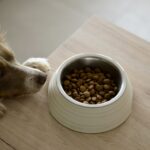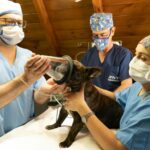
A raw diet for dogs, often called BARF (Biologically Appropriate Raw Food or Bones and Raw Food), mimics what wild canines might eat: uncooked meat, bones, organs, some fruits/vegetables, and minimal supplements. Popularized in the 1990s, it appeals to owners seeking “natural” nutrition, avoiding processed kibble fillers, preservatives, or carbs.
In 2026, the raw feeding debate remains polarized. Proponents cite anecdotal improvements in coat, energy, digestion, and health markers from studies like DogRisk (Finland). Veterinary organizations (AVMA, FDA, WSAVA, AAHA) largely discourage it due to pathogen risks, nutritional imbalances, and public health concerns—especially with recent recalls and emerging threats like H5N1 avian influenza in raw poultry-fed pets.
Vets stress: Raw isn’t inherently “better” for domesticated dogs (who digest carbs well). Benefits are often subjective or from small/uncontrolled studies; risks are evidence-based and serious.
What a Raw Diet Typically Includes
- 80/10/10 rule (common BARF): 80% muscle meat/organs, 10% edible bone, 10% veggies/fruits/offal.
- Commercial raw: Frozen/freeze-dried complete meals (e.g., Viva Raw, Stella & Chewy’s).
- Homemade: Requires precise balancing (vet nutritionist recommended).
Vet-Recommended Consensus in 2026
Major bodies like the AVMA discourage raw/undercooked animal proteins due to contamination risks (Salmonella, Listeria, E. coli, Campylobacter). FDA advisories (e.g., 2026 Raaw Energy recall for multiple pathogens) highlight ongoing issues. Recent data shows raw pet foods face 20x higher recall risk for pathogens vs. processed.
Some pro-raw vets/groups (e.g., RFVS position statement) argue benefits outweigh risks when using high-quality, tested commercial products with strict hygiene. However, mainstream vet nutritionists prioritize complete, balanced, processed diets with feeding trials (AAFCO/WSAVA guidelines).
Always consult your vet before switching—especially for puppies, seniors, immunocompromised dogs, or multi-pet/immunocompromised households.
Benefits & Risks Comparison
| Aspect | Potential Benefits (Pro-Raw Claims & Some Evidence) | Potential Risks (Vet Concerns & Evidence) |
|---|---|---|
| Nutritional Quality | Human-grade ingredients; higher bioavailability of some nutrients; possible better digestibility/metabolic markers (e.g., lower blood sugar/lipids in some studies). | Frequent imbalances (e.g., excess calcium/phosphorus from bones, deficiencies in vitamins/minerals); homemade often inadequate long-term. |
| Digestion & Stool | Smaller, firmer stools; improved gut microbiome; lower IBD risk in some observational data (e.g., DogRisk). | Bacterial overgrowth, vomiting/diarrhea; raw lacks fiber benefits of processed foods. |
| Skin/Coat & Allergies | Shinier coat, reduced atopy/allergies (e.g., DogRisk puppy data showing lower allergy risk). | Anecdotal; no robust causal proof; allergies often protein-based, not processing. |
| Dental Health | Cleaner teeth/less calculus from raw bones/chewing (some studies link raw meaty bones to lower plaque). | Bone risks: fractures, choking, GI obstructions/perforations requiring surgery. |
| Energy & Weight | More energy, leaner body, easier weight management (owner reports). | High fat can cause pancreatitis/obesity; inconsistent energy if unbalanced. |
| Pathogen Safety | Some commercial use high-pressure processing (HPP) to reduce bacteria. | High contamination risk (Salmonella shedding in 20-50% of raw-fed dogs); zoonotic spread to humans (esp. vulnerable groups); 2025-2026 recalls (e.g., Listeria/Salmonella in multiple brands); H5N1 bird flu cases in raw-fed cats. |
| Other | Fewer allergies/ear infections in limited data; “natural” appeal. | Antibiotic-resistant bacteria shedding; ethical/storage concerns; higher cost/time. |
Key Risks in Detail (2026 Updates)
- Bacterial/Viral Contamination — Raw meat often harbors pathogens; dogs shed them asymptomatically, risking humans (kids, elderly, pregnant, immunocompromised). FDA 2025-2026 advisories/recalls underscore this.
- Bone Hazards — Splinters cause choking, tooth fractures, intestinal blockages/ruptures.
- Nutritional Gaps — Excess vitamin A/D, calcium imbalances lead to skeletal issues; deficiencies cause long-term problems.
- Public Health — Increased multidrug-resistant E. coli/Salmonella from raw-fed pets.
How to Approach Raw Feeding Safely (If Considering)
- Choose commercial, complete raw (AAFCO-compliant, HPP-treated if possible) over homemade.
- Source from reputable brands with pathogen testing/transparency.
- Practice strict hygiene: Freeze/thaw properly, clean surfaces/utensils, no cross-contamination.
- Monitor health: Regular vet checkups, fecal tests for pathogens.
- Transition slowly; watch for GI upset.
- Not recommended for: Puppies (growth needs precision), seniors, pregnant dogs, or homes with at-risk people.
The bottom line from vets in 2026: Risks often outweigh benefits for most dogs. High-quality grain-inclusive or fresh cooked diets provide proven, safe nutrition without pathogen worries. Anecdotal wins exist, but robust evidence favors balanced processed foods. Discuss with your veterinarian—they can run bloodwork, assess your dog’s needs, or refer to a board-certified nutritionist. Your pup’s long-term health deserves evidence-based choices!